

The Autobiography of Earth: Pt. 1
The Hadean Eon
THE HADEAN
click to enlarge images
double-click for maximum enlargement
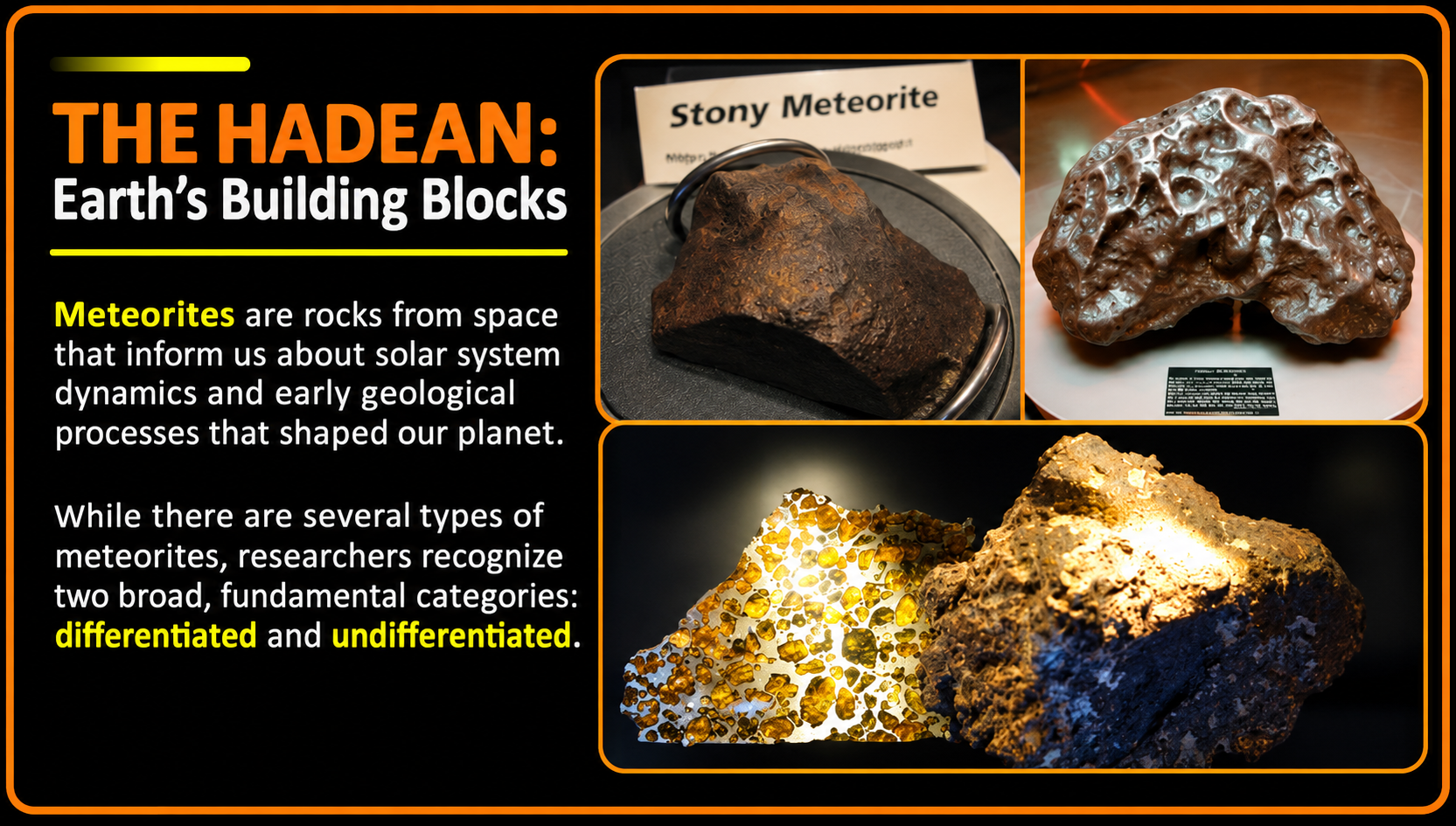
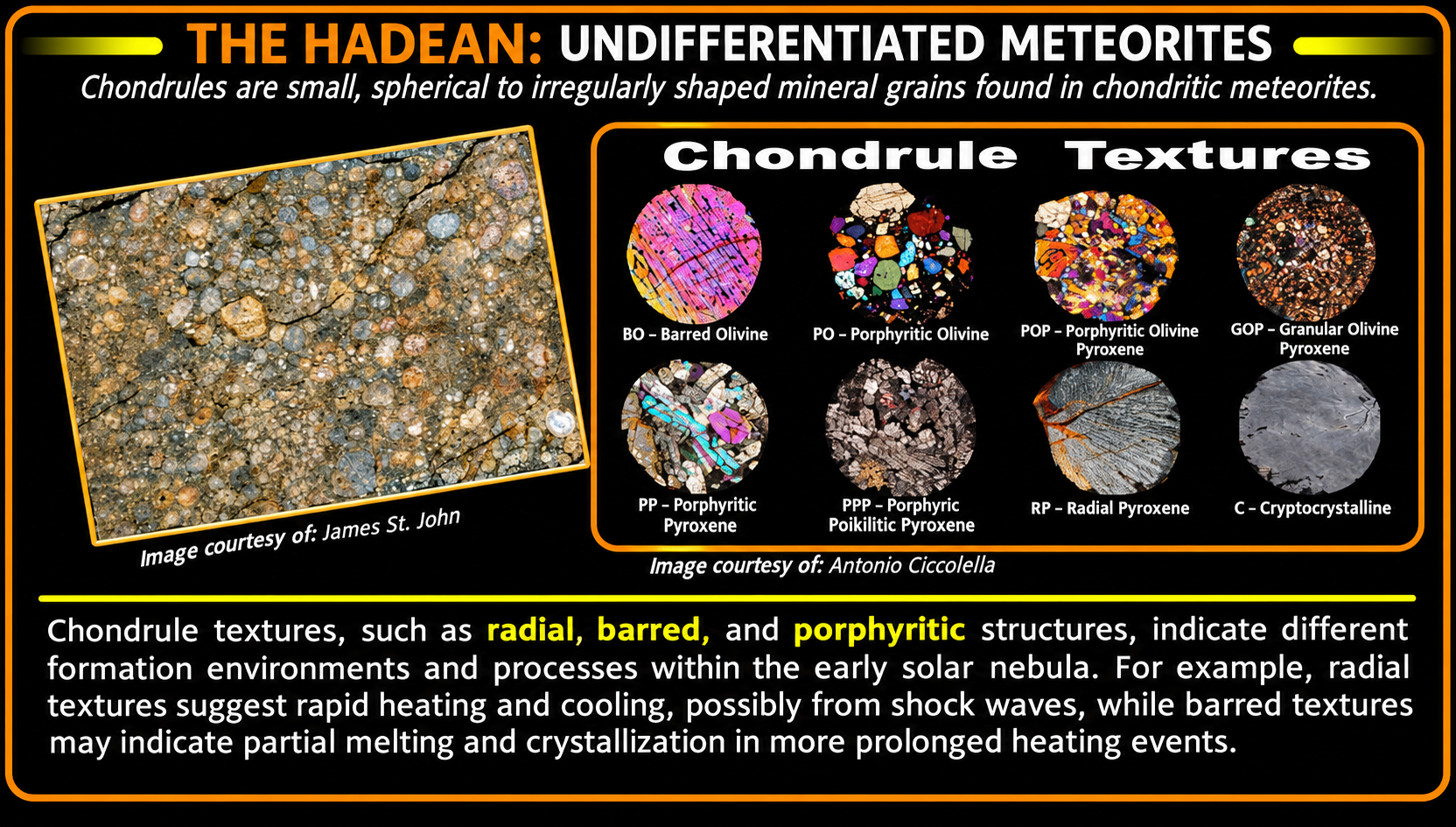
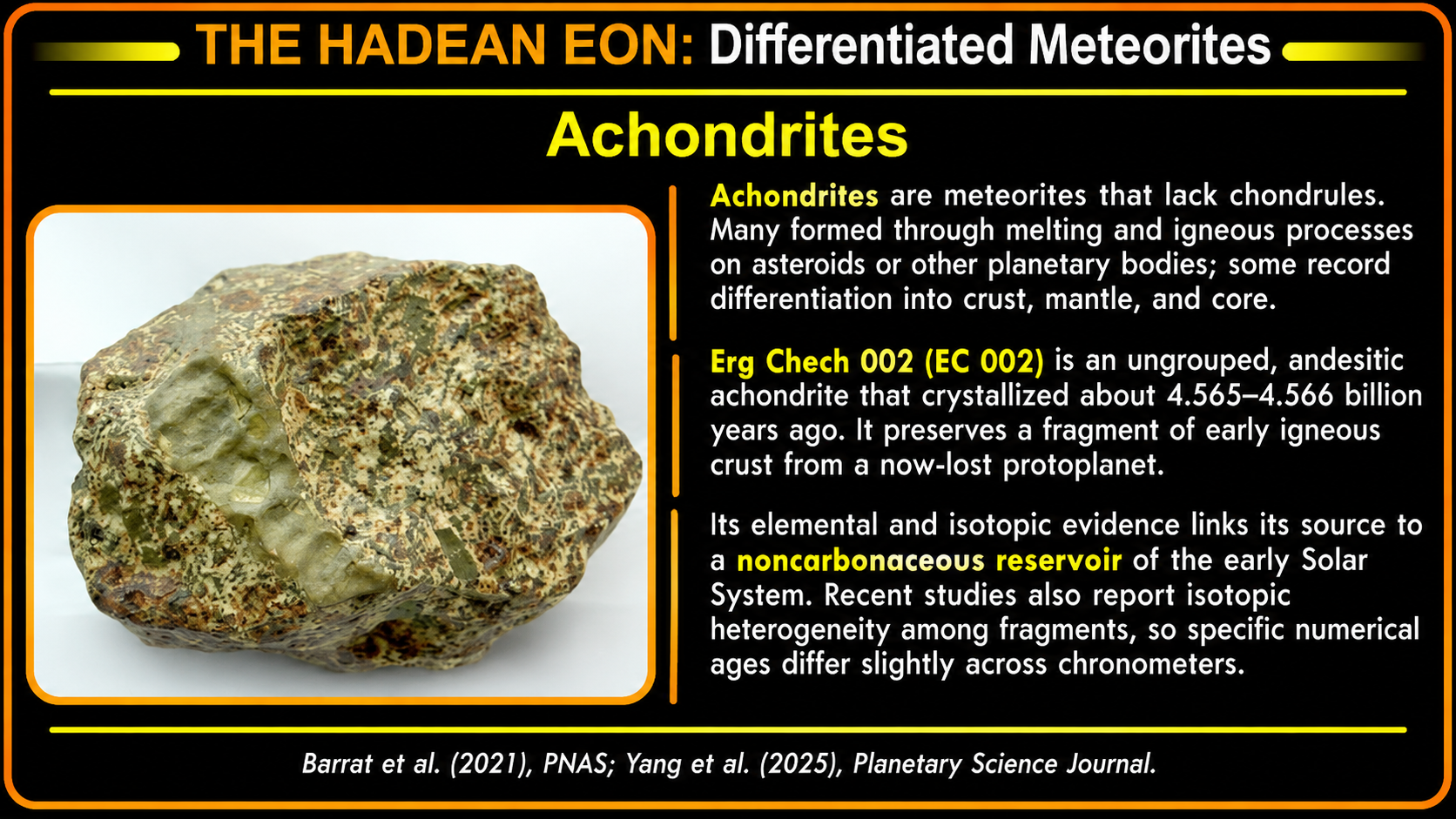
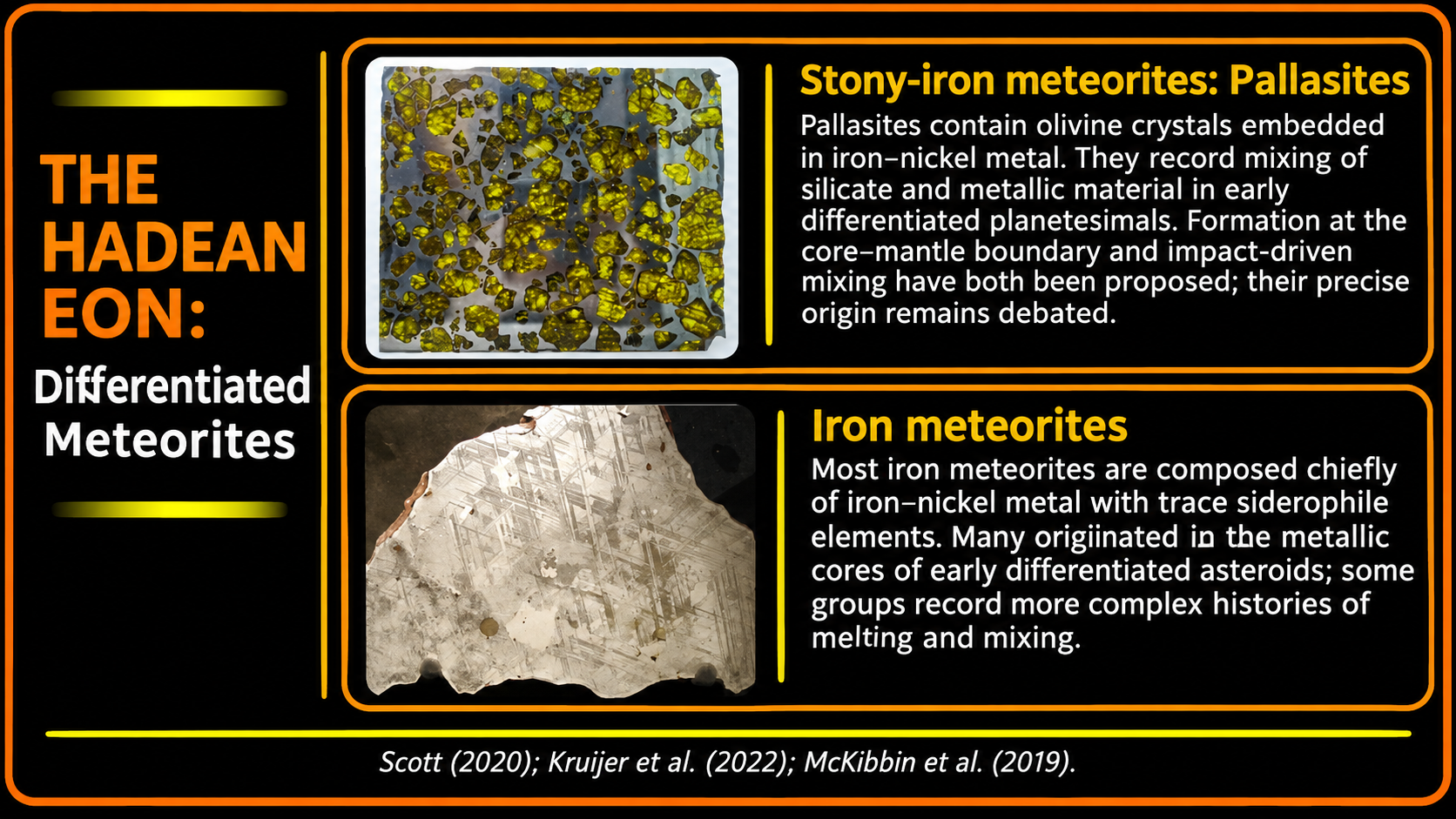

This episode is dedicated
to the memory of
Darren K. Westby
1994-2023
Please consider donating to the
Darren Westby Spirit Award Scholarship
A STAR SYSTEM IS BORN
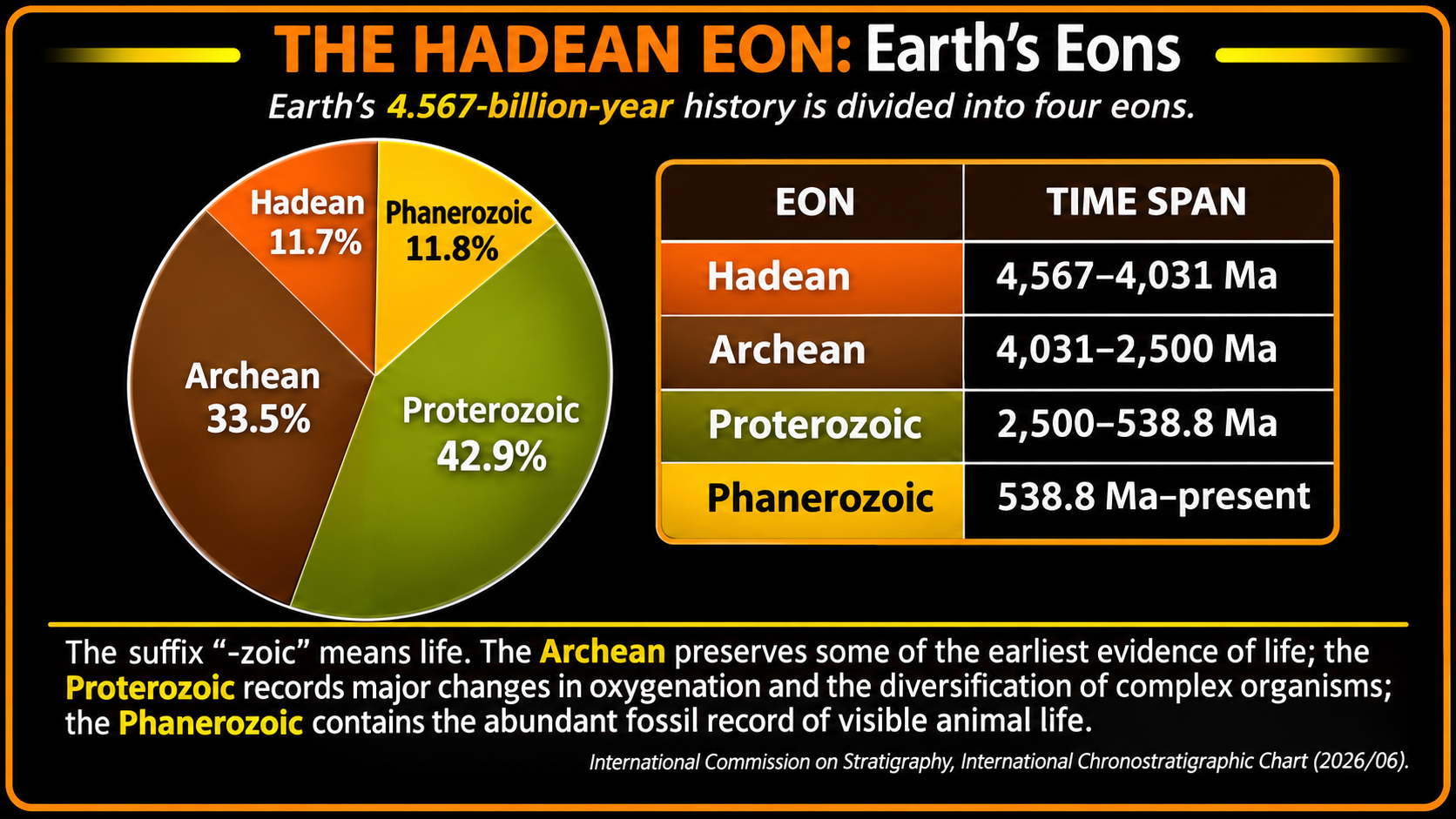
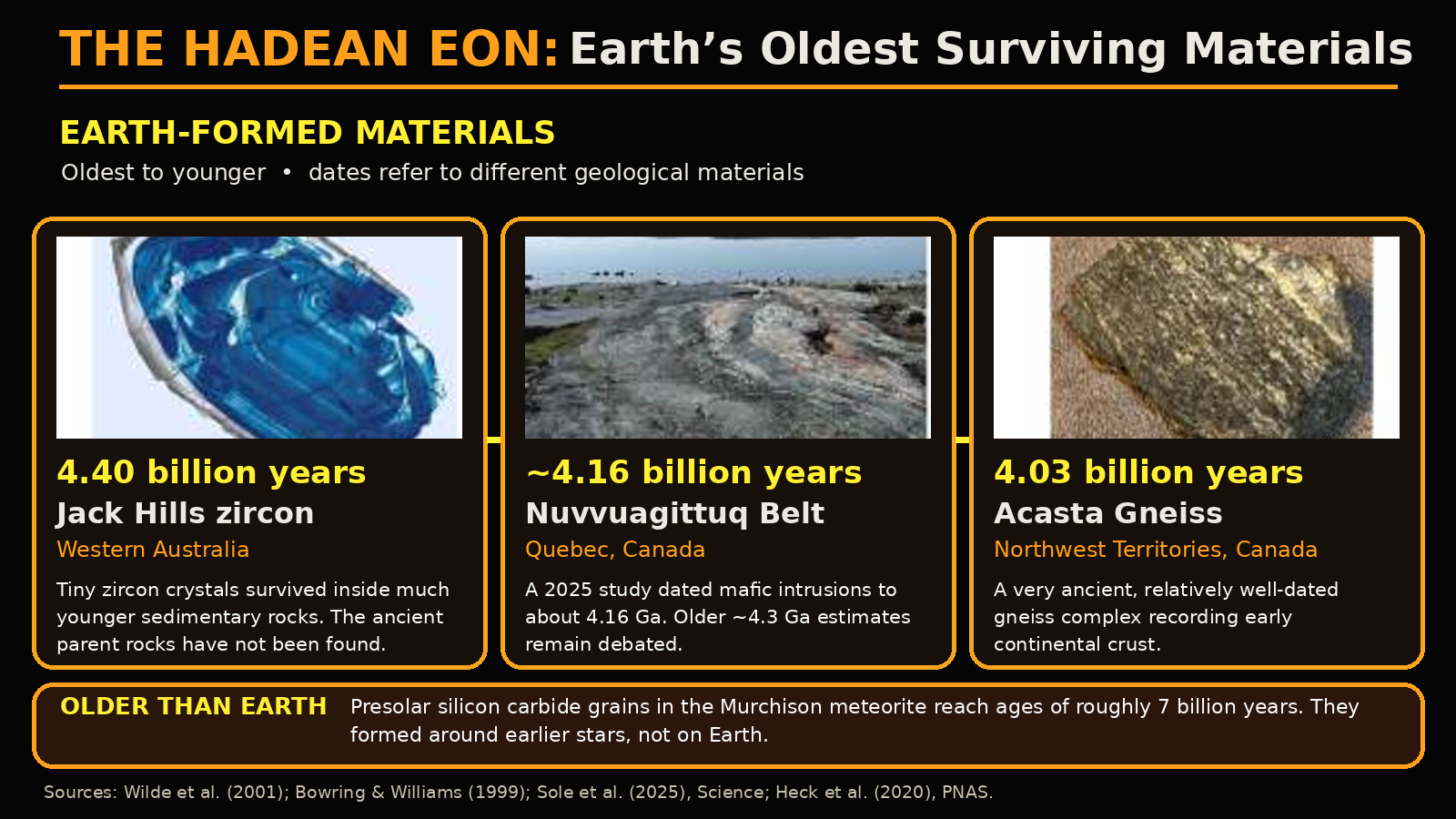
The Hadean began ~4.56 billion years ago and ended ~4 billion years ago, marking Earth's first 560 million years. With virtually no physical evidence to examine, this interval is often overlooked in geology, despite it being arguably Earth's most defining stretch of time.
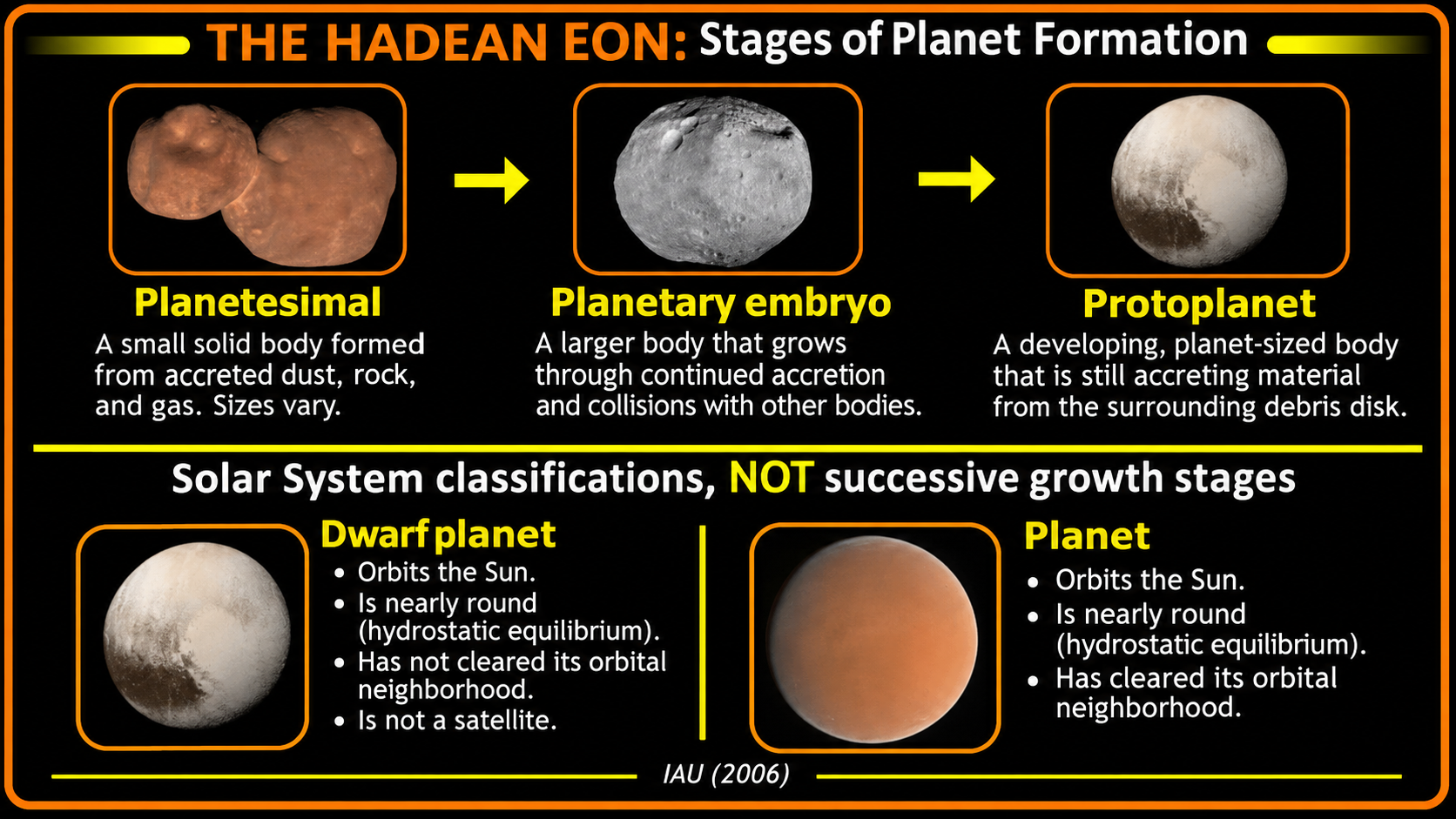
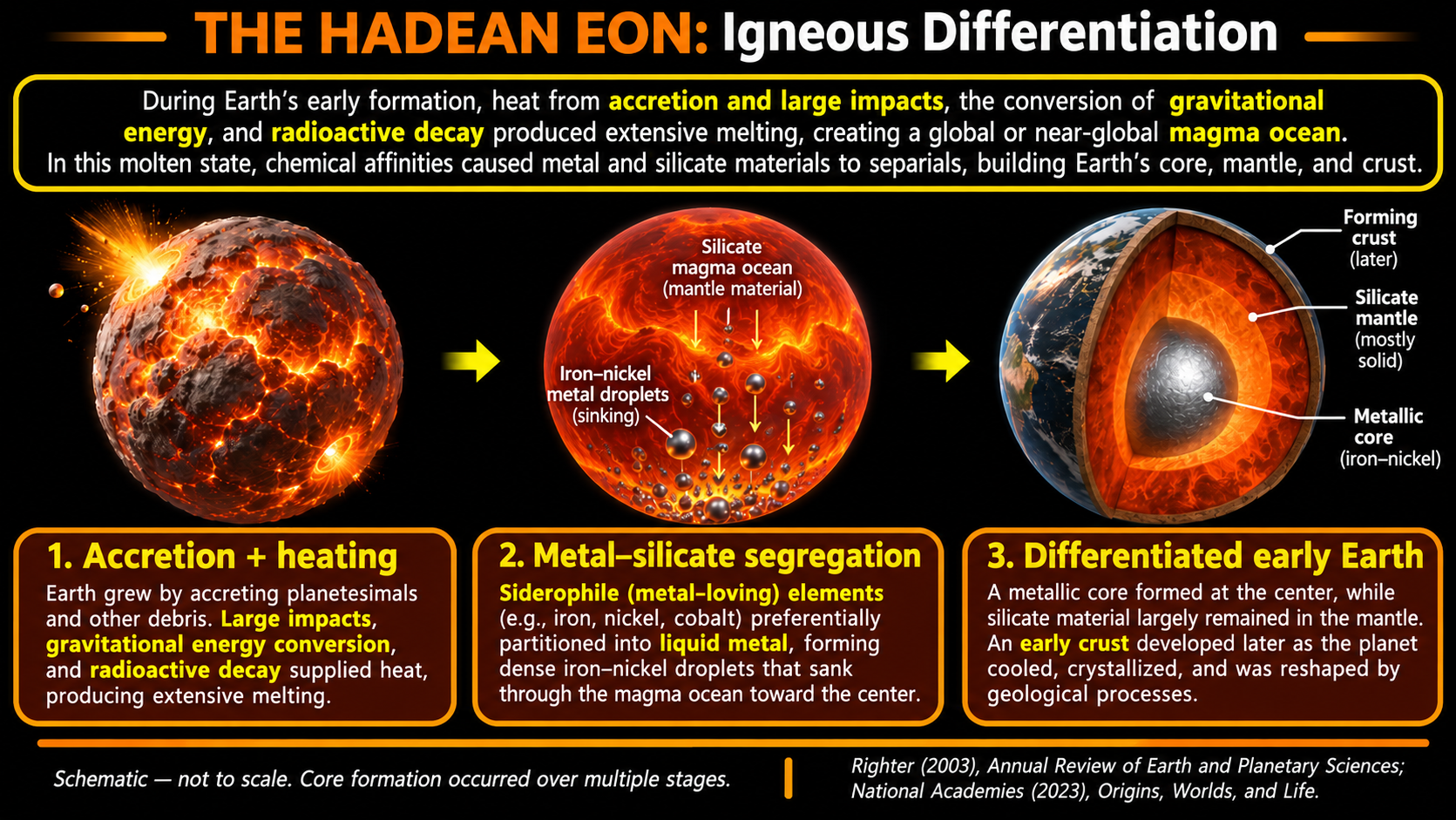
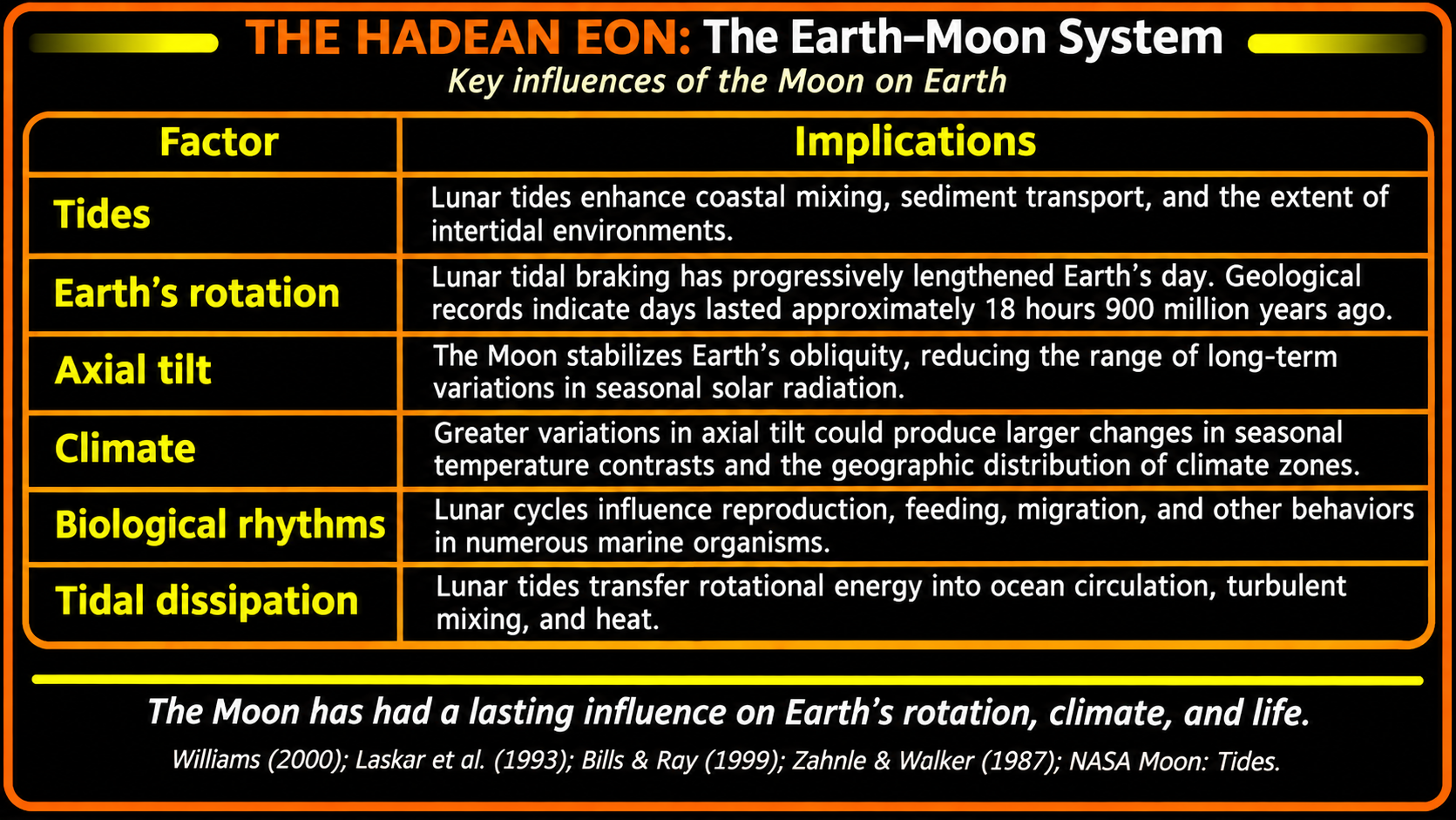
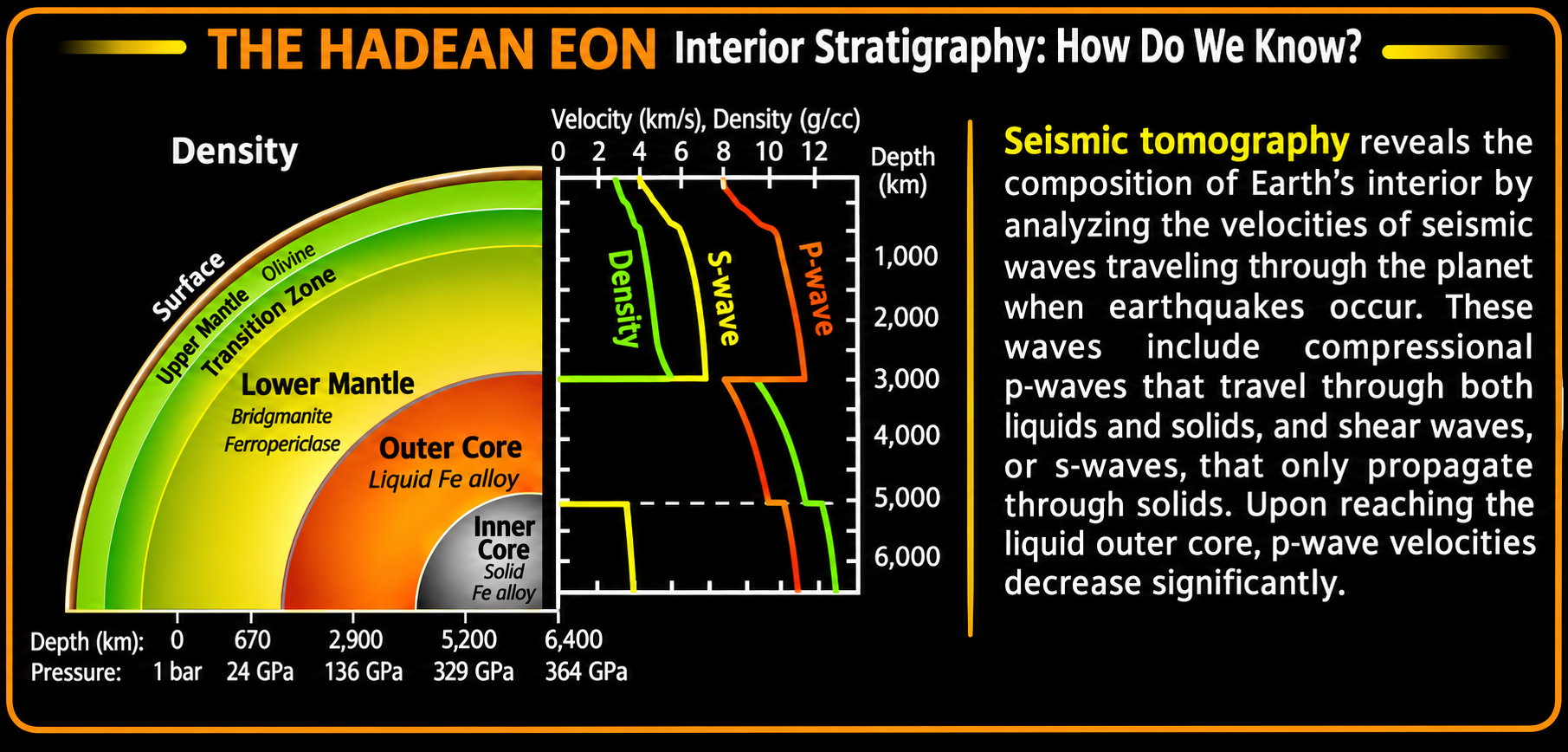
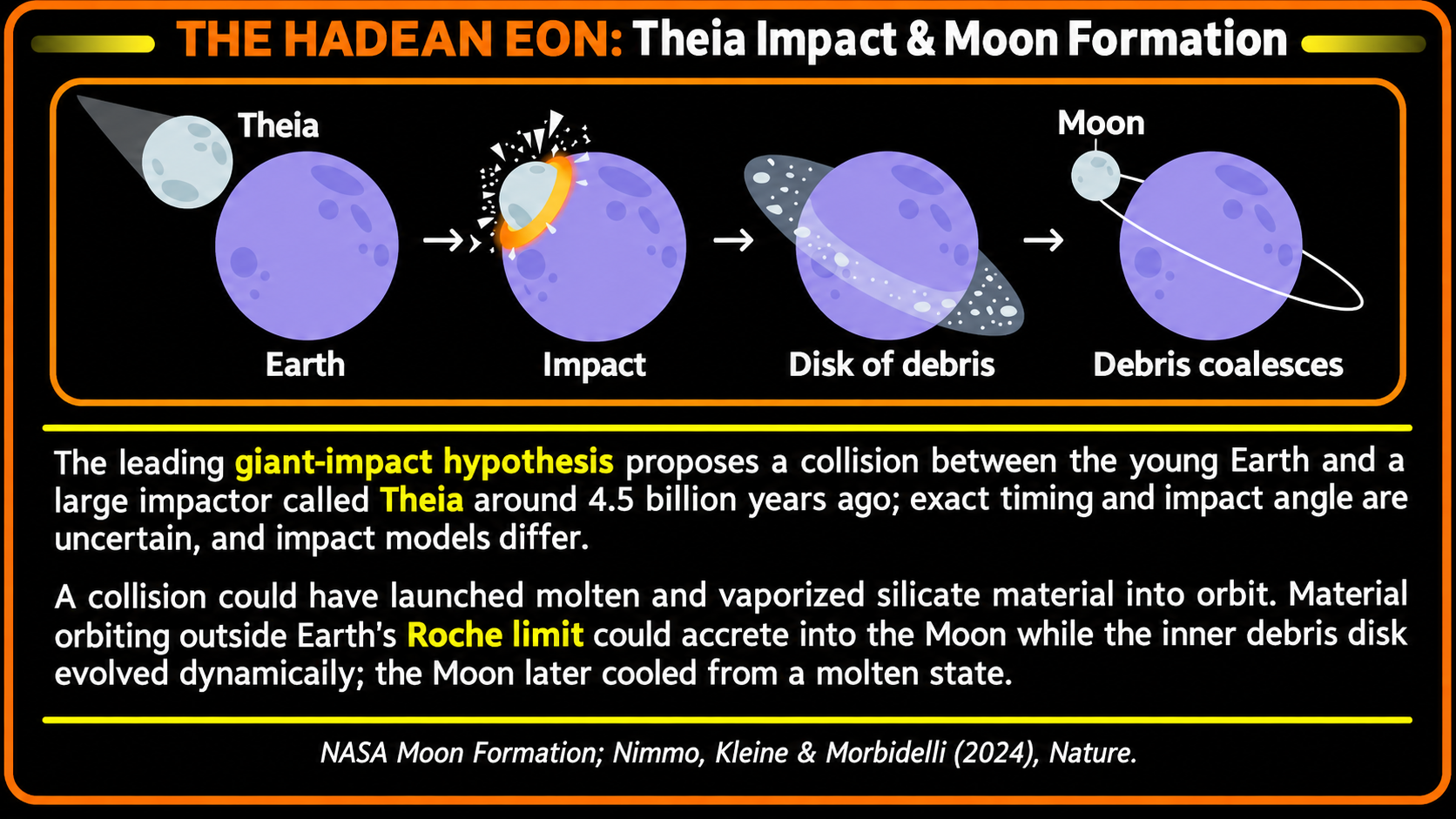
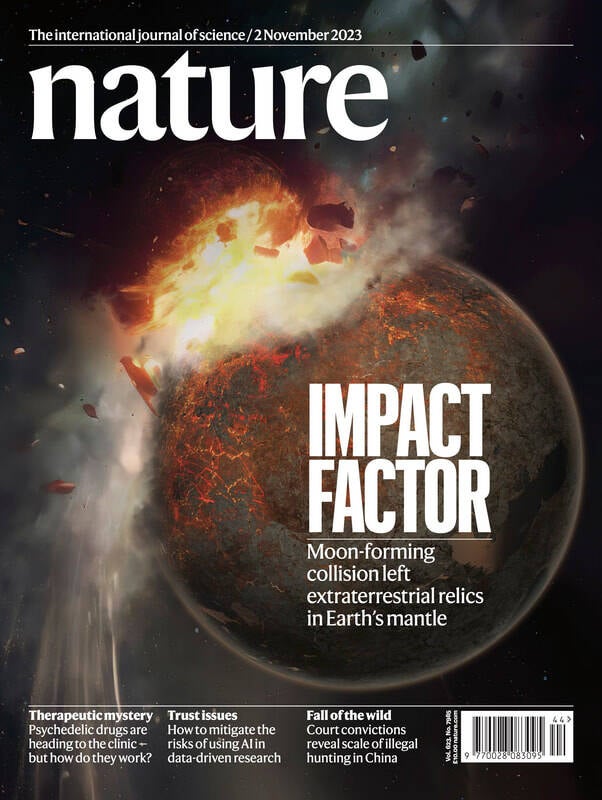
At one year old, the planet was still in the earliest stages of accretion, just a loose, chaotic, mostly homogenous collection of colliding dust, pebbles, and rocky bodies. It took tens of millions of year to accumulate enough mass for gravity for its materials separate into distinct internal layers. Theia was a Mars-sized protoplanet that collided with proto-Earth roughly 4.42 to 4.51 billion years ago, triggering the final stage of Earth's core-mantle differentiation and forming the Moon.
The Hadean saw significant cooling of the Earth's surface, allowing liquid water to accumulate. This set the stage for the conditions necessary for life to emerge.

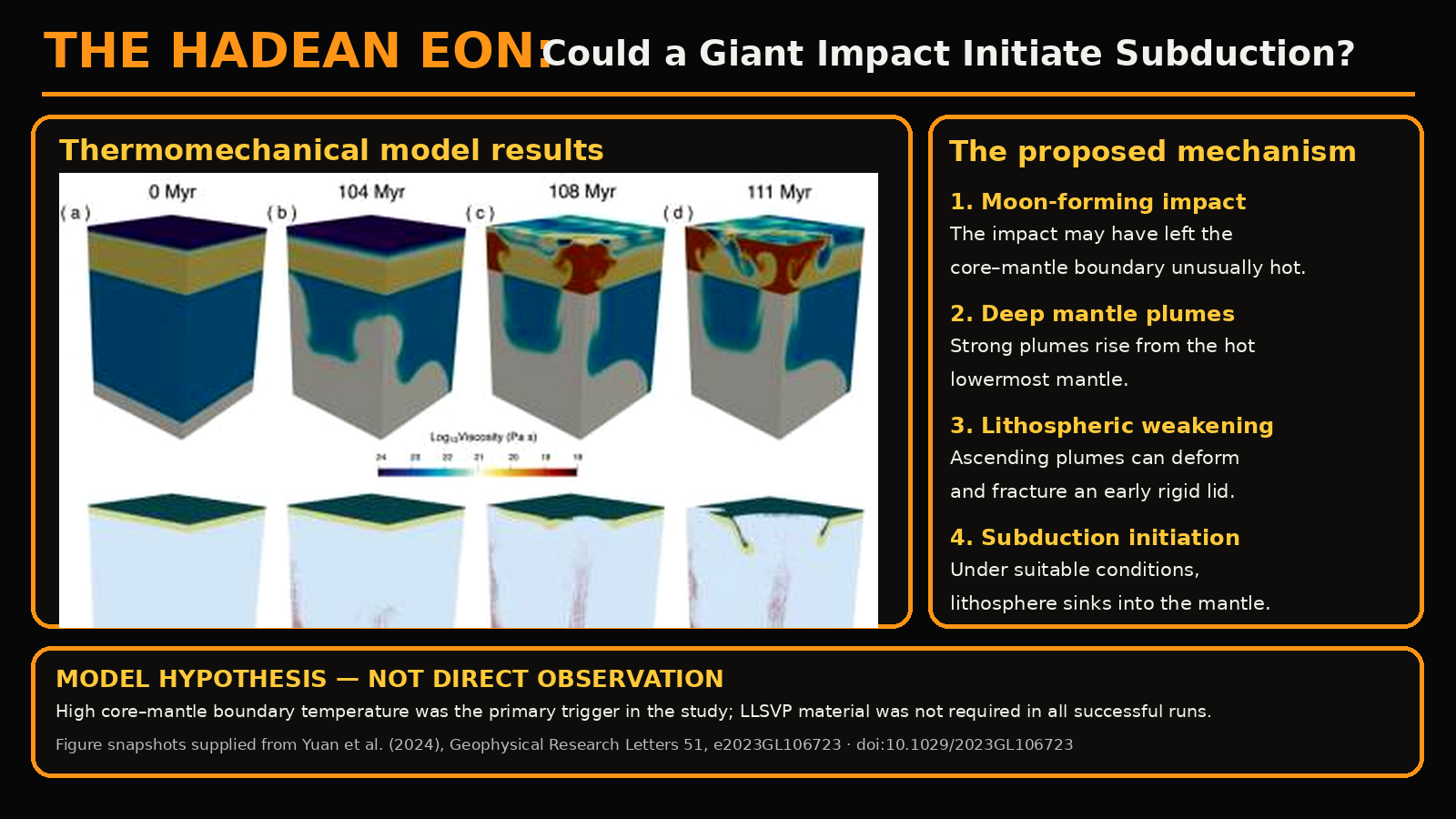
Topics: Moon Forming Event and The Onset of Plate Subduction
Featuring: Qian Yuan, PhD
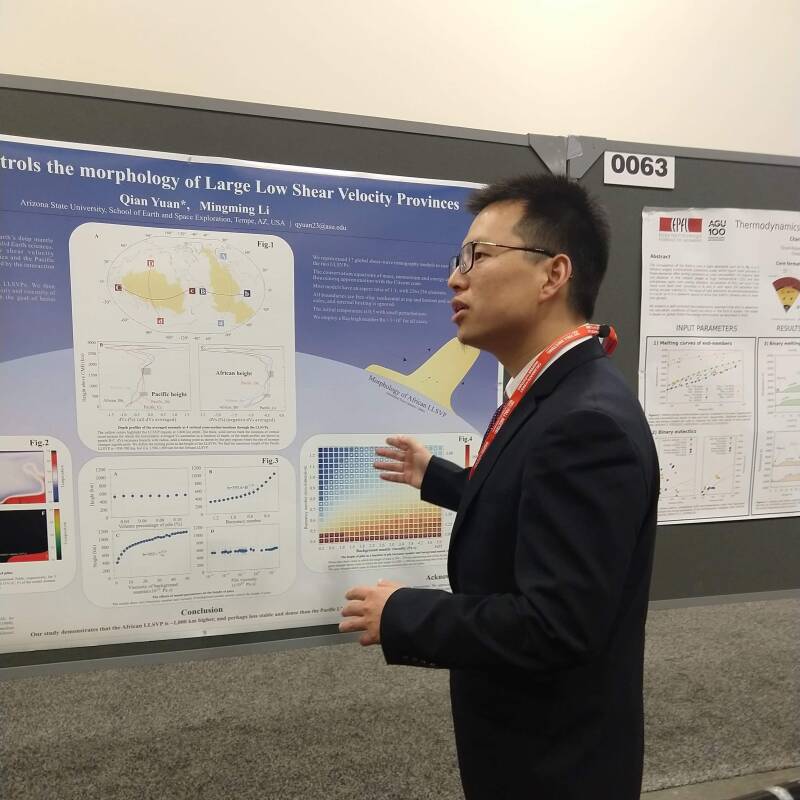
Dr. Yuan was a postdoctoral fellow at the California Institute of Technology (Caltech), specializing in geodynamics at the time of his interview. Currently he's an Assistant Professor in the Department of Geology and Geophysics at Texas A&M, specializing in AI-Driven Planetary Geodynamics. He researches dynamic processes within Earth's interior and their influence on surface geological activities. He employs geodynamic simulations, microanalysis of mantle rocks, and various other geophysical observations, along with petrological and geochemical analyses, to answer the deepest geological questions, literally.
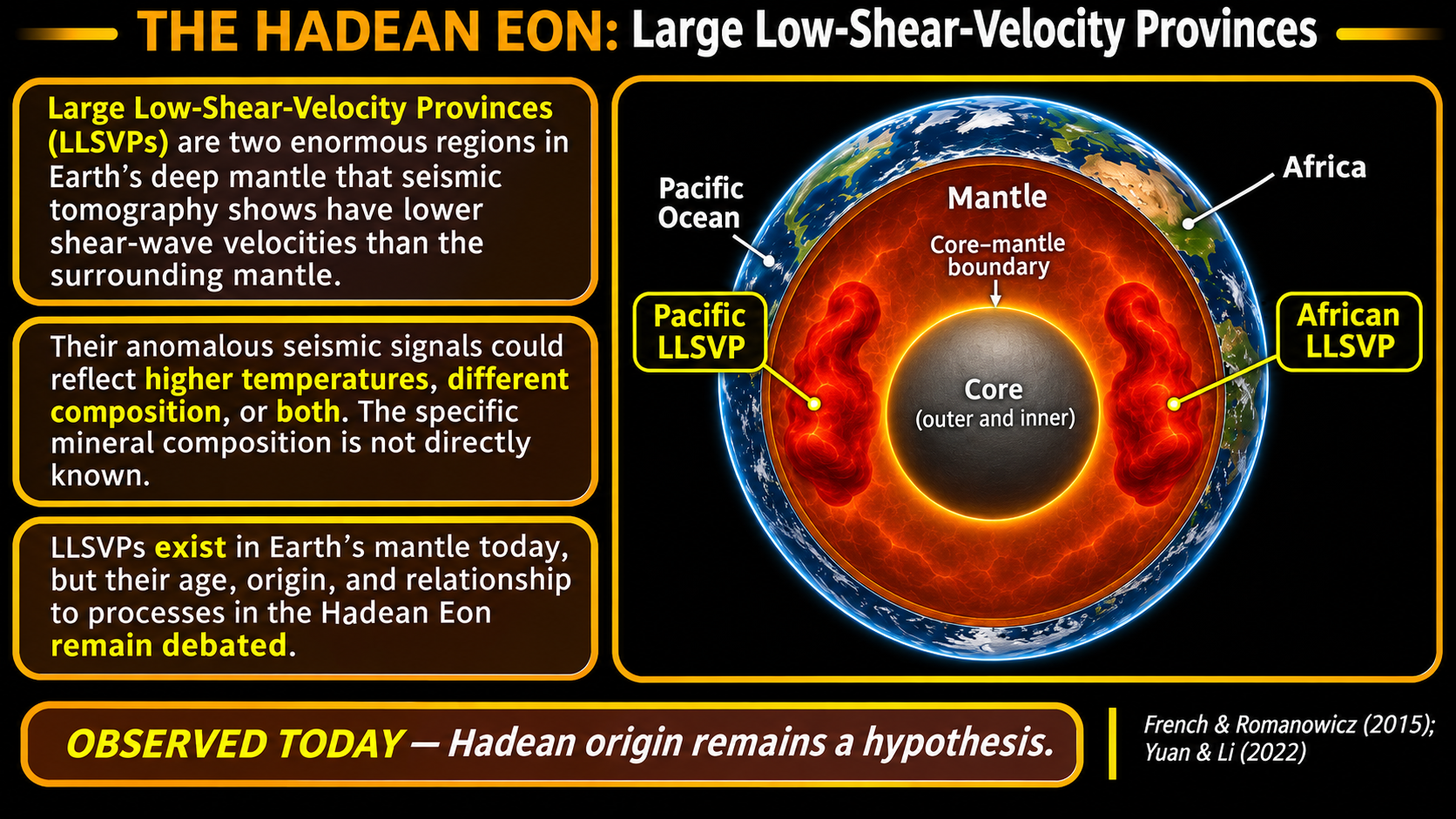
Dr. Yuan's primary focus currently is on understanding the origin, morphology, and dynamics of the two Large Low Shear Velocity Provinces (LLSVPs) in the Earth's lowest mantle.
His long-term goal is to integrate geophysical, geochemical, and planetary processes into a self-consistent model to better understand Earth's habitability and planetary evolution.
He holds a Ph.D. in Geodynamics from Arizona State University, where he conducted research on various aspects of mantle dynamics. Prior to that, he earned an EngD in Economic Geology from China University of Geosciences (CUG), Wuhan, and completed a Bachelor of Science degree at China University of Geosciences, Wuhan. He spent time as a visiting student at the University of Liège, Belgium, furthering his studies and research experience.
FEATURED ESSAY
What are Greenstone Belts?
PAPERS AND ABSTRACTS
- Moon-forming impactor as a source of Earth’s basal mantle anomalies
- A Giant Impact Origin for the First Subduction on Earth
- Carbon dioxide cycling through the mantle and implications for the climate of ancient Earth
- Terrestrial aftermath of the Moon-forming impact
- Subducted oceanic crust as the origin of seismically slow lower-mantle structures
- Earth’s Earliest Atmospheres
- Origin of the Earth's ocean basins
- Earth's earliest hydrosphere recorded by the oldest hydrothermally-altered oceanic crust: Triple oxygen and hydrogen isotopes in the 4.3-3.8 Ga Nuvvuagittuq belt, Canada
- Hadean greenstones from the Nuvvuagittuq fold belt and the origin of the Earth's early continental crust